Russian Sour Cream Coffee Cake.

Yesterday it was my turn to bring breakfast for our weekly work Breakfast Club. Taking a more traditional approach than I did last time, when I brought in my quesadilla maker (Olé), I volunteered to bring in two coffee cakes.  One had to be Sicilian Orange Cake, because it just might be the king of all coffee cakes. But I wanted to try something new for my second offering, so I made this Russian recipe. Its sour cream base makes it creamy and moist, and the nut topping gives a little bit of texture and spice. And if the “king” title is already taken, this one can be the coffee cake Tsar.

*Wondering where the photo of the finished product is? Well, in the chaos of my cake-laden commute that morning, I forgot to give it its proper photo shoot. I guess that means I’ll just have to make it again!

INGREDIENTS

1 cup (2 sticks) butter, softened
1 cup sour cream
1 cup sugar, plus 1/2 cup, divided
3 eggs
1 tbsp vanilla extract
2 1/2 cups flour
1 tsp baking soda
3 tsp baking powder
1/4 tsp salt
3/4 cup chopped walnuts
1/8 tsp powdered ginger
pinch of nutmeg

DIRECTIONS

Preheat oven to 350 F.

Cream together butter,  sour cream, 1 cup of the sugar, eggs, and vanilla. In a separate bowl, combine flour, baking soda, baking powder, and salt. Add the dry ingredients to the wet in three batches, stirring well after each addition.

In a separate bowl, combine the walnuts, ginger, nutmeg, and the 1/2 cup of sugar.

Grease a baking pan. Spread half the batter into the pan and top with half the nut mixture. Then spread the rest of the batter over the top and add the rest of the nut mixture. Using a knife, make several slashes through the batter; this draws some of the nut mixture deeper into the cake.

Bake on middle rack for about 50 minutes, or until a toothpick inserted into the middle comes out clean. Priyatnogo appetita!
Scottish Shortbread.

Scottish shortbread and black tea are good friends. Ever since they first met, they’ve just clicked. They try to hang out as much as possible, but sometimes it’s hard to find a free afternoon. So next time shortbread wants to get together with tea, offer up your kitchen as a meeting place. Then, while they’re chatting away, quietly sneak up behind them…and chow down. Trust me, they’ll never see it coming. And this shortbread recipe (from one by Lorraine Pascale) will definitely help you forget how much butter you just ate.

INGREDIENTS

1 1/4 sticks butter, softened
1/3 cup granulated sugar
1 1/3 cups all-purpose flour
1/2 cup plus 1 tbsp brown rice flour (this gives a nice texture, but feel free to substitute with all-purpose flour)
pinch of salt

DIRECTIONS

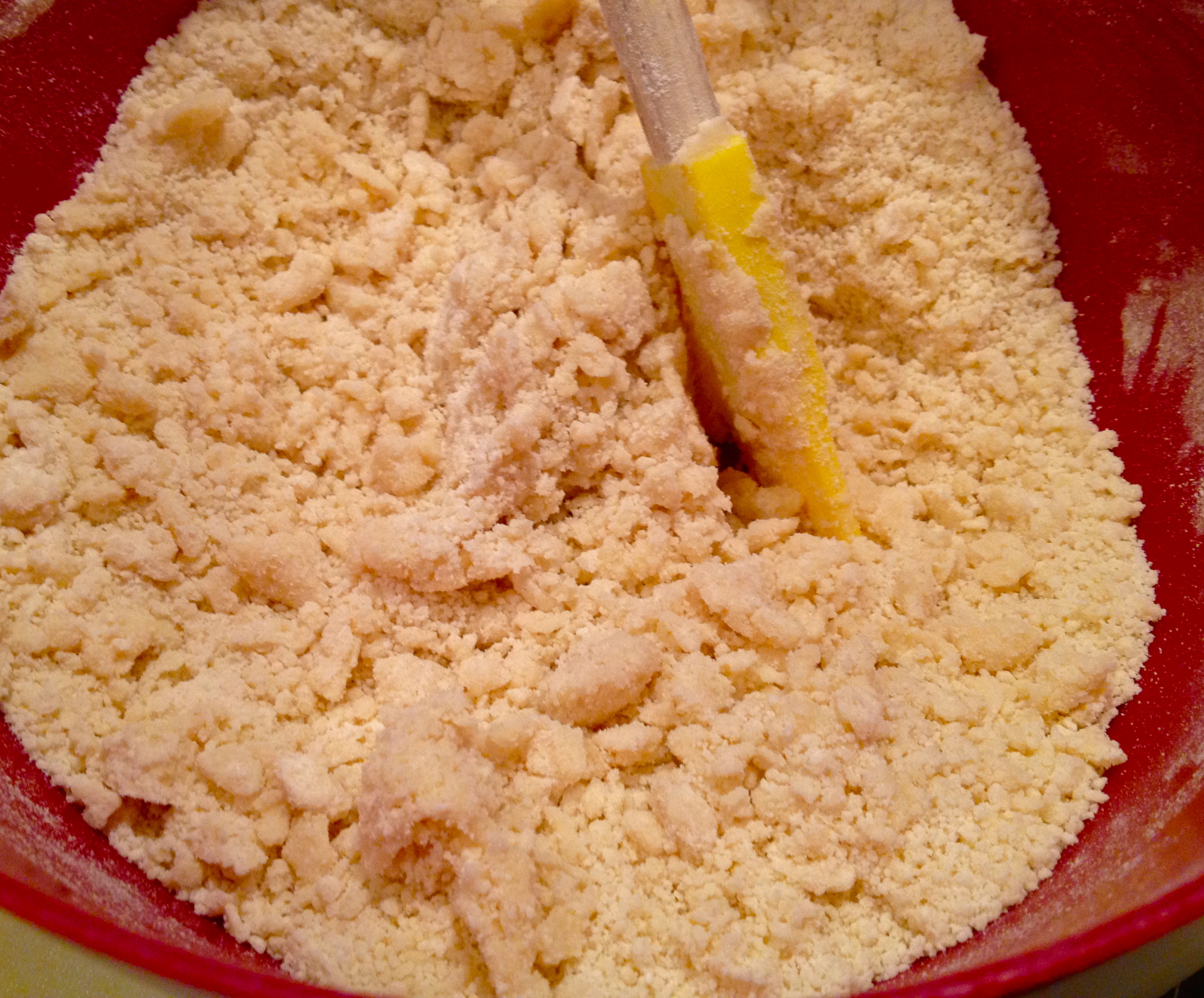
Cream together butter and sugar. In a separate bowl,  combine flours and salt. Add flour mixture to butter and sugar in 3 parts, stirring between each addition. The texture of the dough should be very crumbly but hold together when pressed.

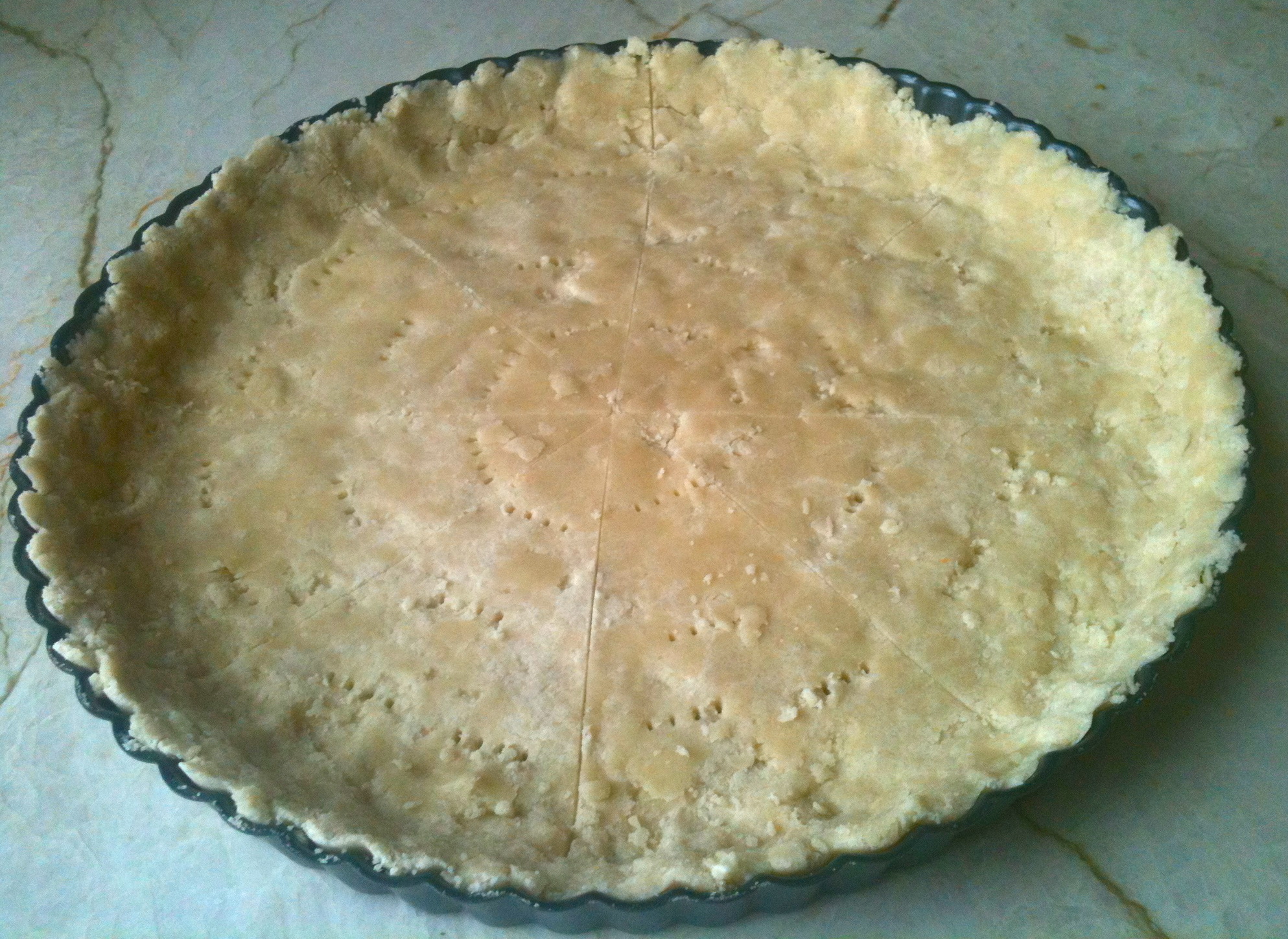
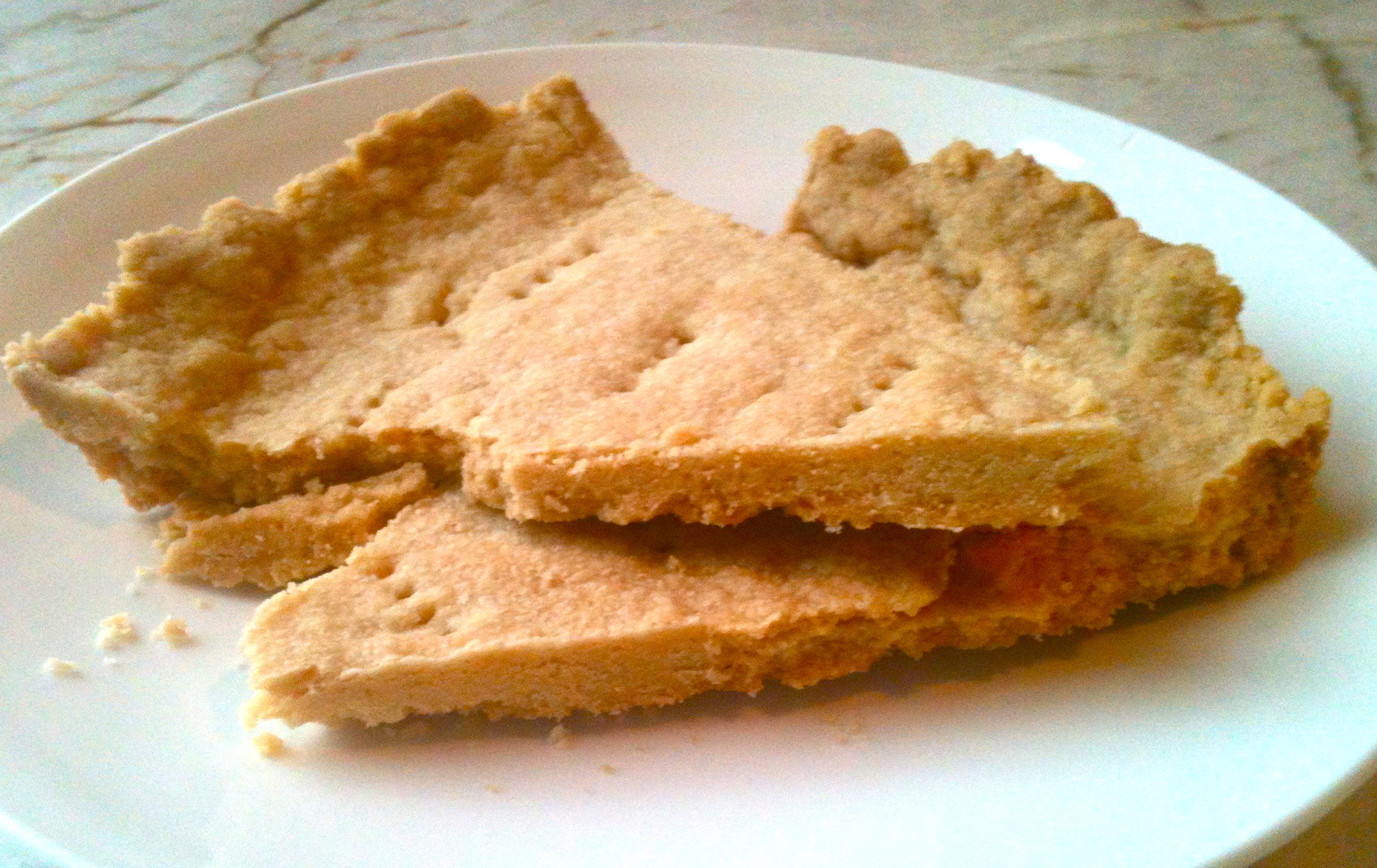
Now, press the dough evenly into a pan. I recommend a spring-form pan or a tart tin with a loose bottom, so that you’ll be able to remove the crumbly shortbread without breaking it. If you’re not using a tart tin, crimp the sides with your fingers so that you have a pretty little border. Then, use a knife to draw 8 pizza-shape segments, and pierce each segment a few times with a fork. Place dough in the fridge for 30 minutes.

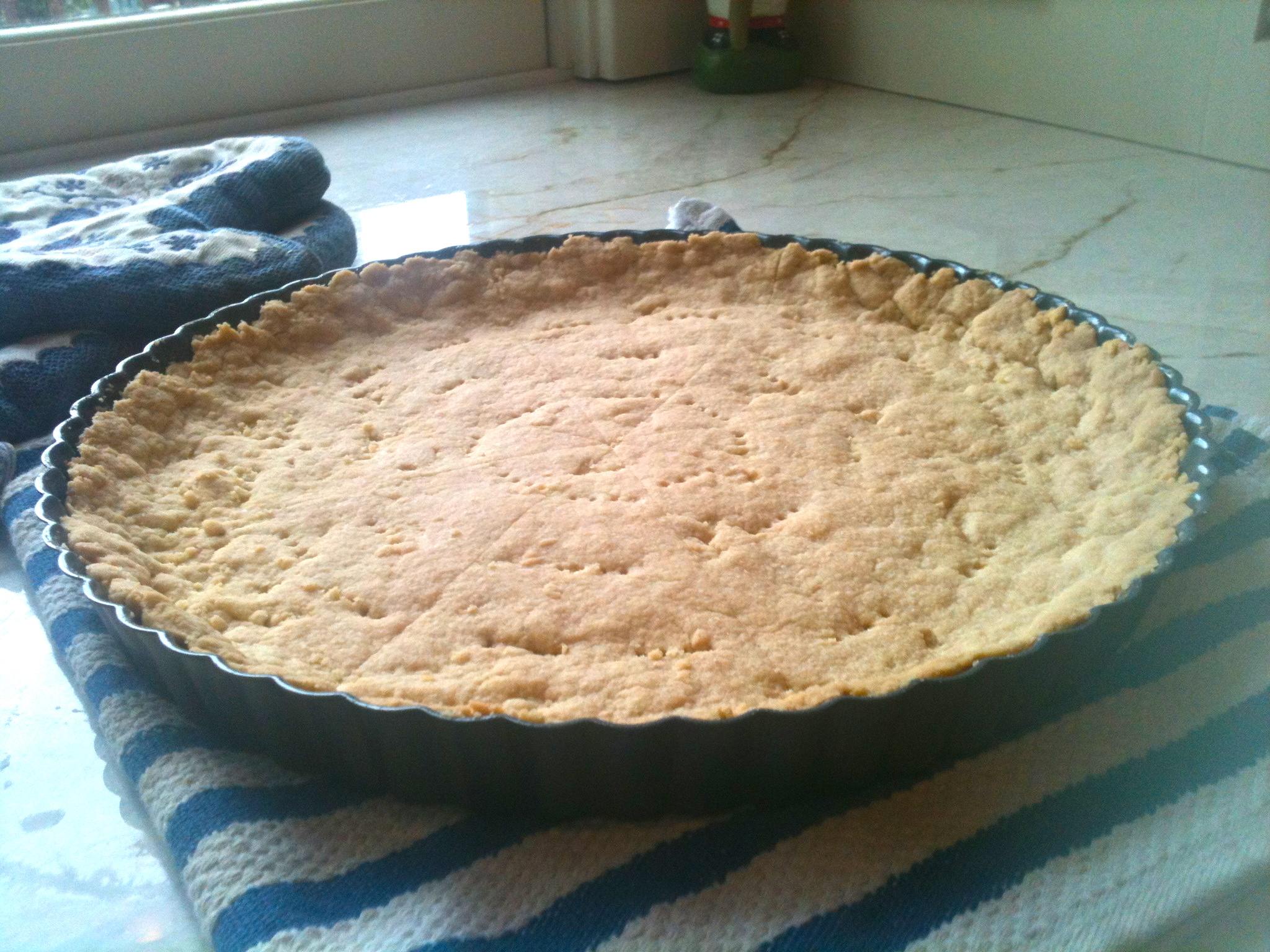
Just before the 30 minutes is up, preheat oven to 325 F. Remove shortbread from oven and bake for about 30 minutes, until just starting to turn golden. Cool completely, slice carefully (it’s very crumbly), and serve with tea–but give the friends a minute to say hello before you start to nibble elegantly.

Vichyssoise.

There is a lovely vegetable soup called vichyssoise, named for Vichy, the spa town in central France. Whether the soup is French at all is up for debate, though; Julia Child claims the recipe is an American creation. Questionable authenticity aside, this potato and leek puree is an easy, elegant dish that’s pretty simple to make. Served either cold or hot, it’s a versatile dish perfect for unpredictable spring days.

INGREDIENTS

2 large leeks (or 3 medium ones), white and light green parts only, sliced and rinsed thoroughly
1 medium onion, rough chop
2 stalks celery, chopped
4 medium potatoes, washed, large dice; peel if desired (I leave the skins on–see below*)
chicken stock or water (I used homemade chicken stock)
salt and pepper to taste
butter
half and half or heavy cream

DIRECTIONS

Heat a Dutch oven or other large soup pot on medium and add a pad of butter. When butter is melted, add leeks, onion, and celery, and cook until softened but not browned.

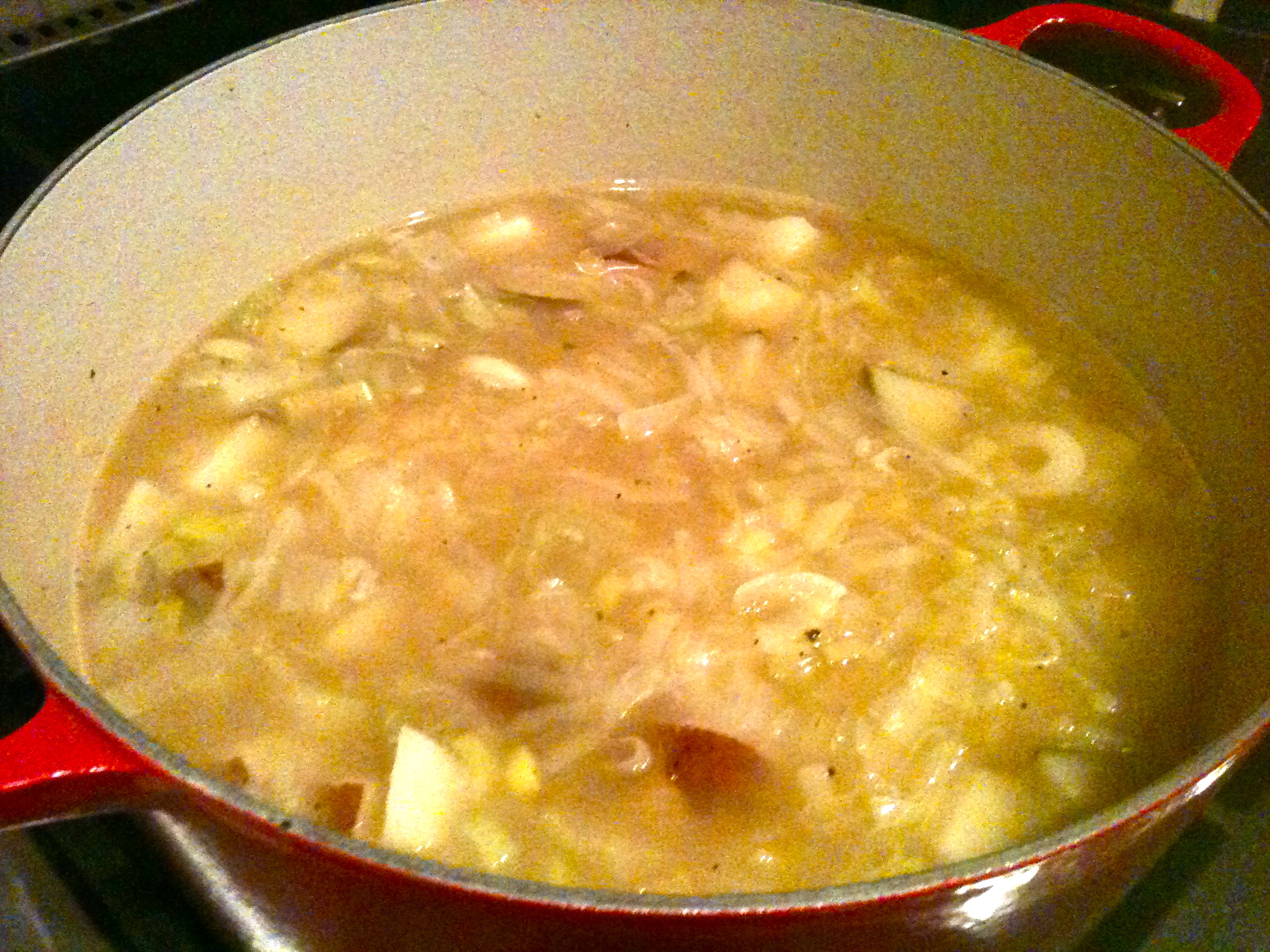
Add potatoes and just enough chicken stock or water to cover the vegetables. Season with salt, and don’t skimp on the pepper!

Bring to a boil, then reduce to a simmer, cooking until potatoes are soft. Remove from heat and puree in batches; I like to pour the pureed soup through a strainer so that there are no lumps, just a smooth, thick soup.

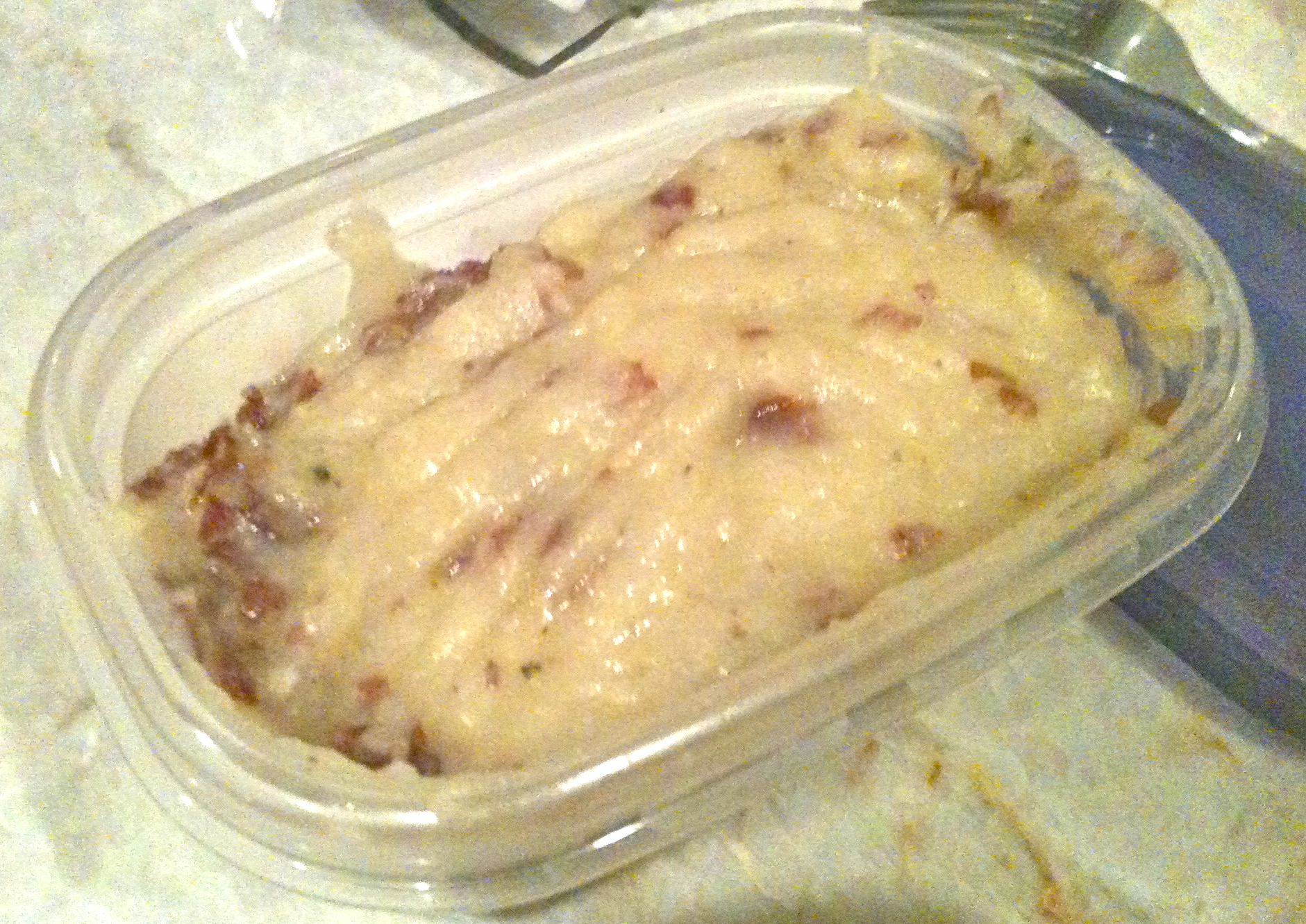
*If you left the skins on your potatoes, like I did, you’re getting a second dish out of your vichyssoise! While straining into your soup bowl, reserve some of the potato puree in a separate bowl–say, 3/4 cup. After you’ve strained the soup, all the potato skins will be caught in the strainer. Scrape them out and mix them into the reserved potato puree for leek mashed potatoes!

Back to the soup. Whether you’re serving it cold or hot, there’s one last step before you dig in. Just before serving, stir in a healthy splash of half and half or cream and add a dash of salt and pepper. Garnish with parsley or chives. Croutons would be good, but I was fresh out. Oh well. Bon appetit!

Zucchini Latkes.

Passover, which began yesterday, is a very cool holiday. Growing up, I loved to read the story of Moses and the Jews in Egypt. I’m not sure why Christians don’t celebrate Passover, too; it is in their Bible, after all. Anyway, potato latkes are traditionally served during Hanukkah, not Passover…so these zucchini latkes are pretty much as non-traditional as it gets! That doesn’t really matter–it’s always the right time for frying.

INGREDIENTS

3 medium zucchini, washed, with the ends chopped off
1 carrot, peeled
1 shallot
2 eggs
3 tbsp bread crumbs (obviously use gluten-free bread crumbs here if you need to)
2 oz. feta cheese, finely crumbled
1 tbsp parsley
1 1/4 tsp dill
1 1/4 tsp coriander
salt and pepper to taste
vegetable oil

DIRECTIONS

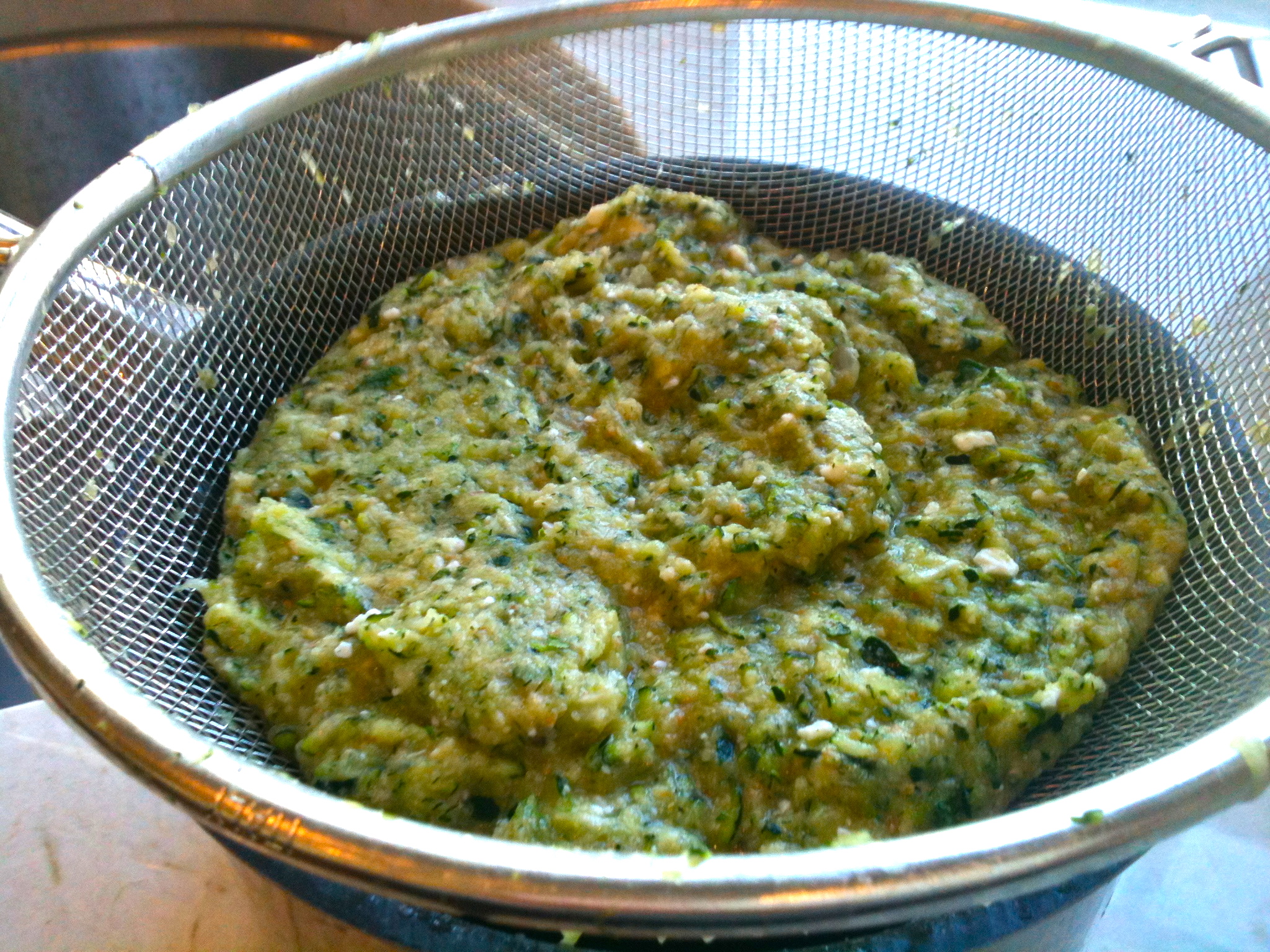
Grate zucchini, carrot, and shallot into a strainer or colander. Toss with salt and let sit for 20 minutes, to drain off water. Then rinse the mixture, press out excess water, and pat dry with paper towel until no longer wet, but only damp.

In a mixing bowl, combine all ingredients. Place mixture back in strainer and let sit for 10 minutes.

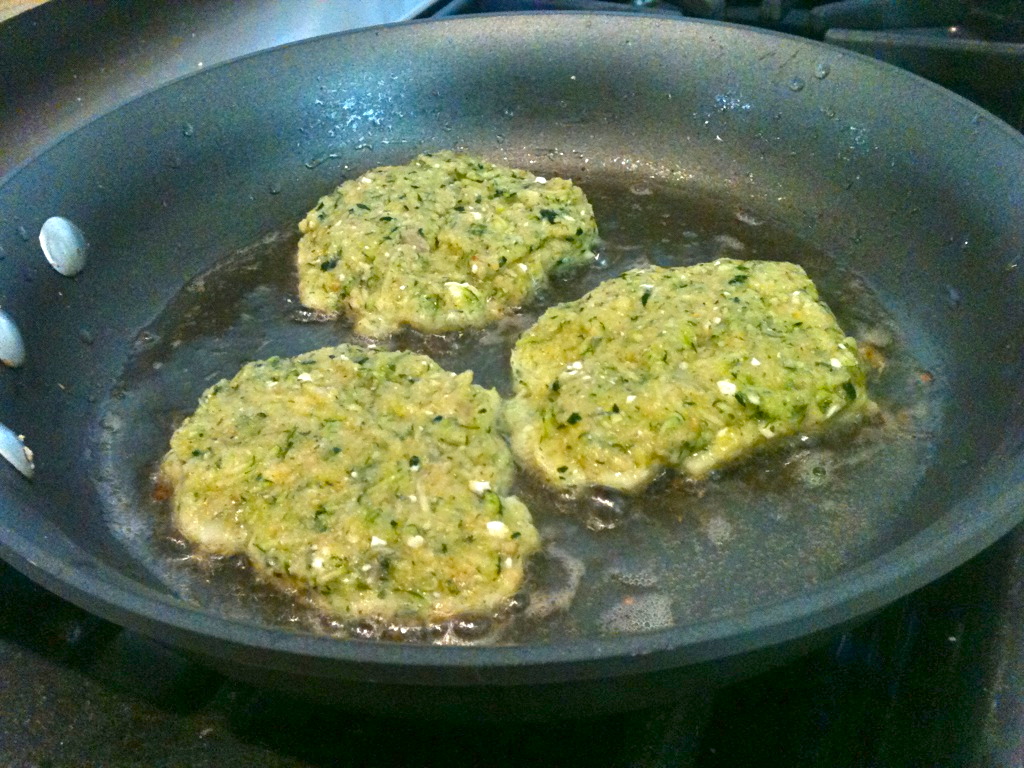
Heat vegetable oil in a pan. Form mixture into patties and place in the pan.

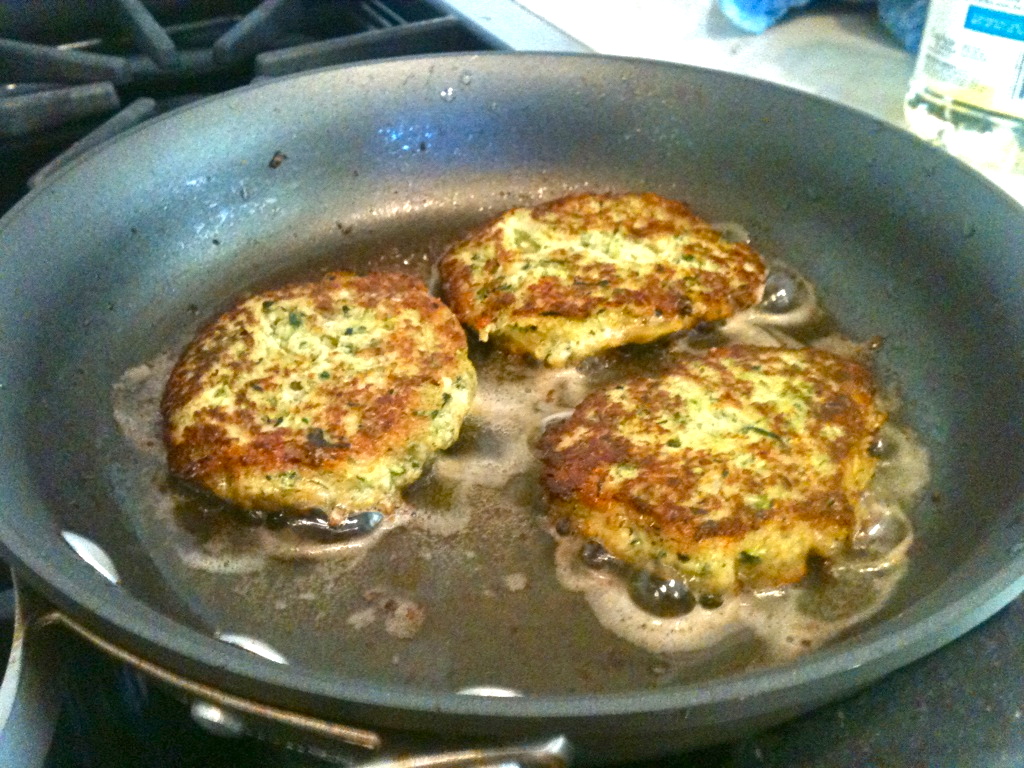
Fry until brown and crispy on the bottom, and then flip.

When both sides are browned and the middle is cooked through, remove from pan and cool slightly on a paper towel, to wick away excess oil. Serve as is, or with a scoop of sour cream. Yum.

Czech Goulash (Old recipe).

For the updated Czech Goulash recipe, click here.

This is my original recipe for goulash. I’ve since updated it, and I really like the new version much better – it’s more potently paprika-ed and also more authentic, in that it’s less like a chunky vegetable stew and more like the slow-cooked, warming, fortifying dish I ate in Prague. I recommend checking out the updated recipe instead, but in case this one tickles your fancy a little more, I didn’t want to delete it!

INGREDIENTS

3 tbsp olive oil
3 medium onions, chopped
2 lb stew beef, cubed
3 cloves garlic
4-6 celery stalks, chopped
4-6 carrots, peeled and chopped
2 tbsp paprika
2 tsp caraway seed
3-5 tbsp flour, depending on desired thickness (I use all-purpose, but potato flour works just as well, for those with gluten allergies)
8 oz canned crushed tomato
3-5 cups cold water or stock
salt, pepper to taste
marjoram or parsley, sour cream for garnish
2 medium potatoes, boiled and cubed (optional)

DIRECTIONS

Heat oil over medium in Dutch oven or other large soup pot. Add onions and cook until transparent. Then add the beef and cook until browned.

Add garlic, paprika, caraway seed, salt, pepper, and flour, if you’re using it. Stir and cook about 2 minutes, careful not to let the seasonings burn. Then toss in the carrots and celery and cook another two or three minutes, until the seasonings coat the veggies and they start to soften.

Add tomatoes and some of the cold water or stock, adding more as needed throughout the process (goulash can be stew-ier or soup-ier, however you like it).

Bring to a boil, then reduce and simmer for at least 1 hour, stirring occasionally. I go for 3 hours whenever I can, and it’s worth it!

Serve with sour cream and parsley or marjoram for garnish. If you’re using potatoes (which we keep separate to avoid making the soup too starchy) add them to your bowl just before serving.

Hasselback Potatoes.

Named after the Swedish restaurant Hasselbacken where they were first served in the 1970s, Hasselback potatoes are making a comeback  on tables across the world right now. They’re a lot more fun than a standard baked potato and they look so pretty when they come out all toasty and browned! You can play around with the seasoning or keep it very simple, but this recipe is for my personal favorite flavor combo.

INGREDIENTS
3 medium potatoes, skin-on and scrubbed
3 cloves garlic, minced
4 tbsp olive oil or melted butter
2 tbsp grated Parmesan (optional)
1 tsp parsley
pinch of hot paprika
salt, pepper to taste

DIRECTIONS

Preheat oven to 425 F.

Prepare the potatoes. Partially-cut each potato into thin slices, careful not to cut all the way through, so that the potato stays whole. This will create a fan effect when baked.

Combine all remaining ingredients. Using a butter knife, spread the mixture in between each slit. Rub the remaining mixture on the skin of the potato.

Place on a baking sheet and bake until golden brown and fanned open, about  an hour. Serve right out of the oven with sour cream.

UPDATE: Tonight I tried this exact same recipe, but with a sweet potato, and it was fabulous. I don’t know about you, but sweet potatoes are already sweet enough for me, so I never add sweeteners when I prepare them. If you feel the same way, then try using a sweet potato instead for a healthier version of this tasty dish.